
The Future of Robotics in Education: Trends and Innovations


Introduction to Robotics in Education
The integration of robotics in education is revolutionizing the way students learn and interact with technology. As classrooms become more tech-savvy, the adoption of robotics offers new and exciting opportunities for enhancing educational experiences. These advancements are not only making learning more engaging but also preparing students for a tech-driven future.
Current Trends in Educational Robotics
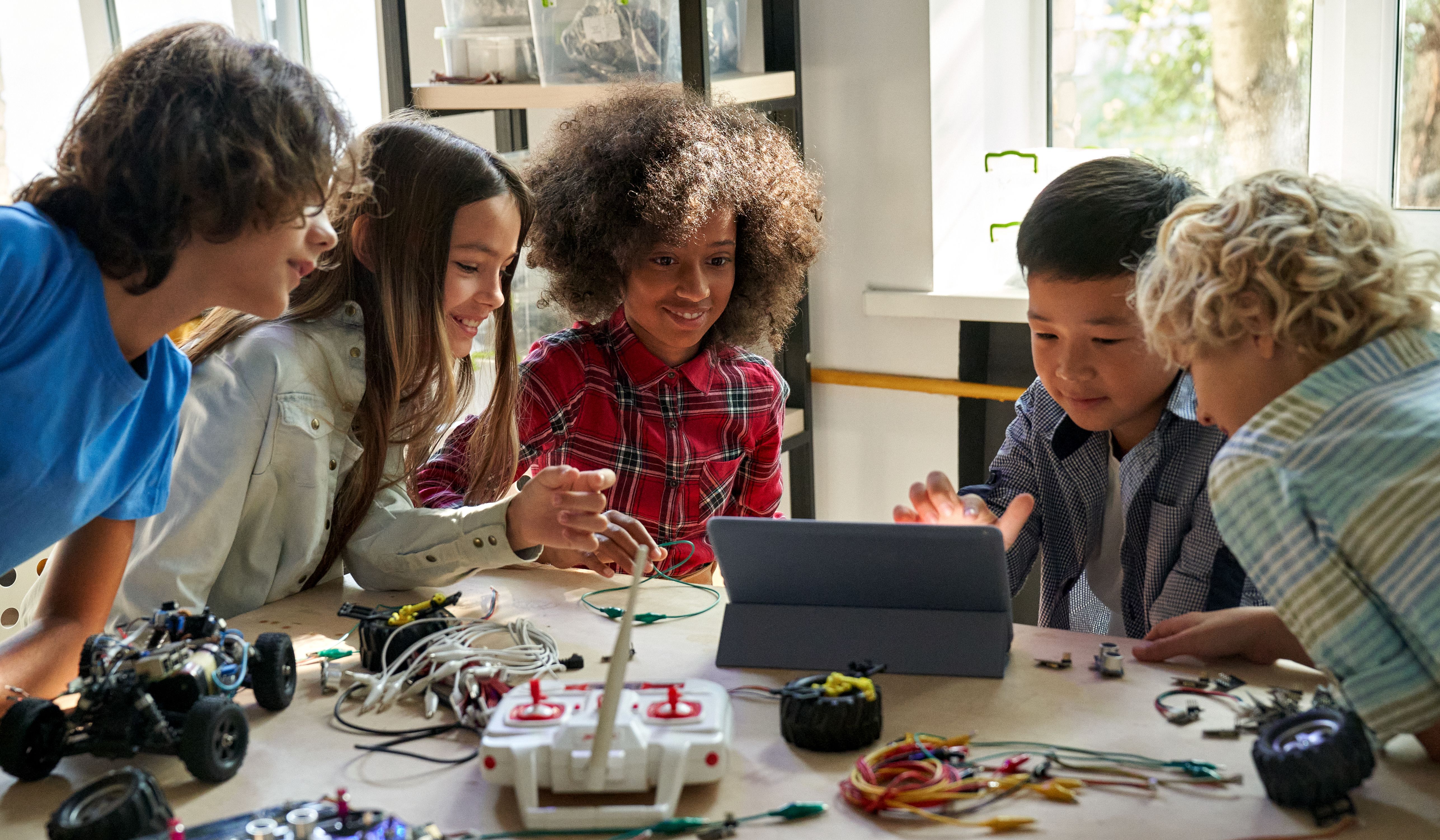
Robotics is no longer a novelty in education; it's becoming a staple. Current trends include incorporating robotics into STEM (Science, Technology, Engineering, and Mathematics) curricula to provide hands-on learning experiences. Robots are being used to teach programming, critical thinking, and problem-solving skills in a practical way.
Another trend is the use of robotics in special education. Robots can offer personalized learning experiences, catering to the unique needs of each student. This adaptability makes robots invaluable tools for inclusive education.
Robotics Competitions and Clubs
Beyond the classroom, robotics competitions and clubs are flourishing. These extracurricular activities encourage students to engage with robotics creatively and collaboratively. Competitions like FIRST Robotics and VEX Robotics provide platforms for students to showcase their skills and innovations, fostering a sense of achievement and teamwork.
Innovations Driving the Future
Innovation in robotics is expanding its potential in education. AI-powered robots are being developed to understand and respond to student queries, providing a more interactive and personalized learning experience. These robots can assess student progress and adjust teaching methods accordingly.
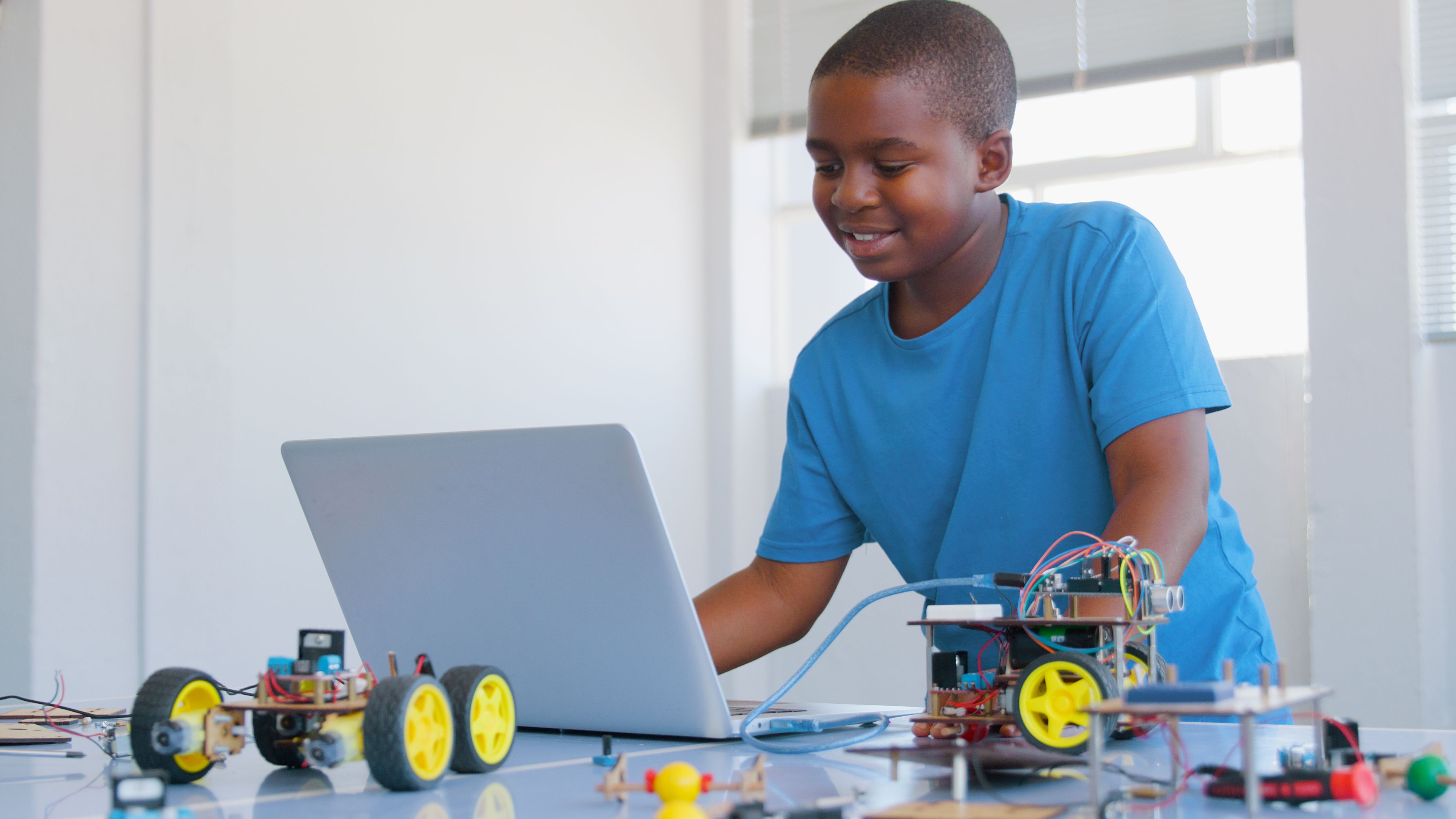
Additionally, the advent of affordable robotics kits is making it easier for schools to integrate robotics into their curricula. Kits like LEGO Mindstorms or Raspberry Pi-based sets allow students to build and program their own robots, offering hands-on learning experiences that are both educational and fun.
The Role of Virtual and Augmented Reality
Virtual and augmented reality (VR/AR) are also playing a significant role in the future of robotics in education. By combining robotics with VR/AR, students can engage in immersive learning experiences that would be impossible in a traditional classroom setting. This technology allows students to simulate real-world scenarios, enhancing their understanding and retention of complex concepts.
Challenges and Considerations
Despite its benefits, integrating robotics into education comes with challenges. Cost is a significant barrier, as not all schools can afford the necessary technology and resources. Additionally, there is a need for teacher training to effectively incorporate robotics into their teaching methods.
There is also the challenge of ensuring equitable access to robotics education. Schools must strive to provide equal opportunities for all students, regardless of their socio-economic background, to engage with robotics and related technologies.
Future Prospects
Looking ahead, the role of robotics in education is set to expand. As technology advances, we can expect to see even more sophisticated robots that are capable of understanding and interacting with students on a deeper level. This will further personalize education, making it more effective and engaging for every student.

In conclusion, the future of robotics in education is bright, with trends and innovations paving the way for a more interactive and inclusive learning environment. By embracing these advancements, educators can equip students with the skills needed to thrive in a rapidly evolving world.