
The Future of Metal Fabrication: Trends and Innovations


Advancements in Automation
The metal fabrication industry is experiencing a significant transformation with the integration of automation technologies. From robotic welding to automated cutting systems, these advancements are enhancing precision and efficiency. Automation is not only reducing labor costs but also minimizing human error, leading to higher quality products.

One of the most impactful innovations is the use of CNC machines. These computer-controlled machines are revolutionizing production by offering unparalleled accuracy and repeatability. With the ability to produce complex designs, CNC technology is paving the way for more creative and customized metalwork.
3D Printing in Metal Fabrication
3D printing, or additive manufacturing, is another trend reshaping the metal fabrication landscape. This technology allows for the creation of intricate metal components that were previously difficult or impossible to produce using traditional methods. The ability to print complex geometries opens up new possibilities for design and functionality.
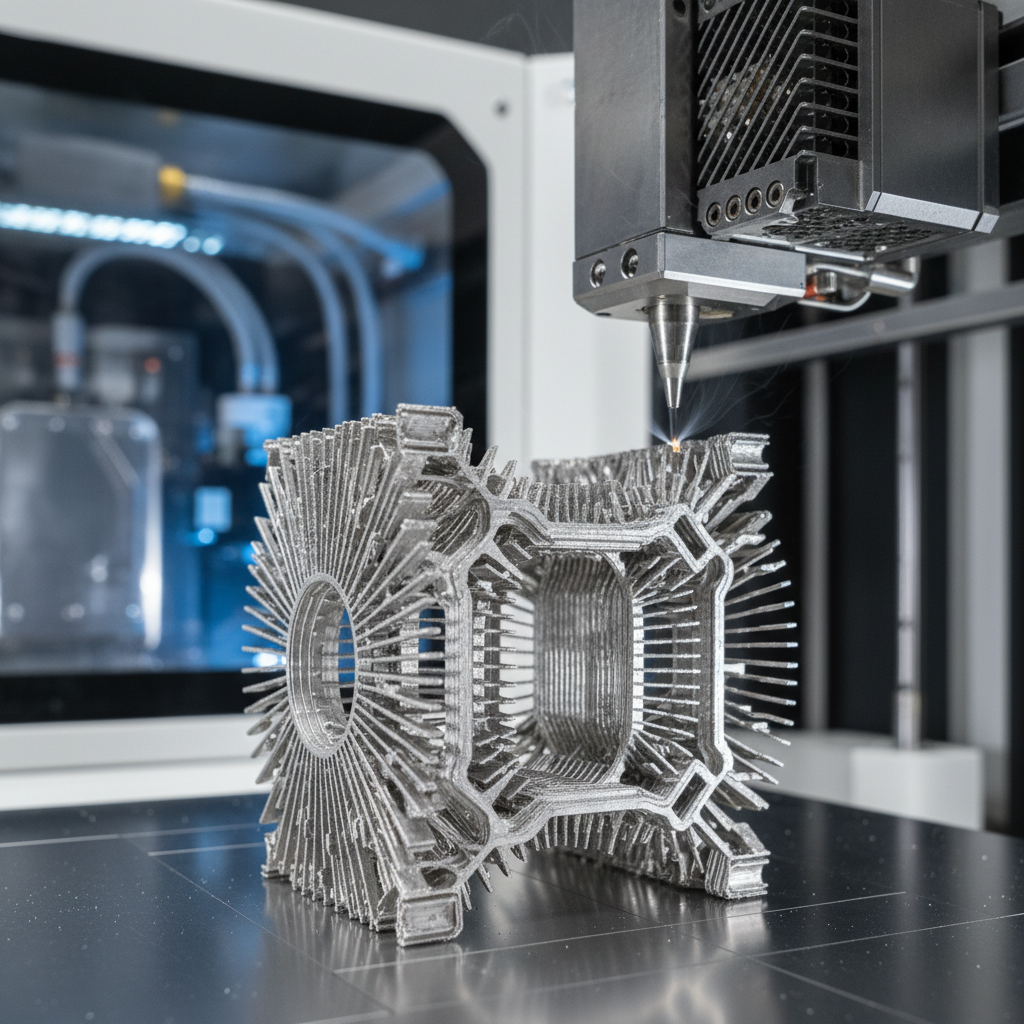
Furthermore, 3D printing is contributing to sustainability in the industry. By using only the material needed for the part, waste is significantly reduced, making the process more environmentally friendly. This is a crucial step towards sustainable manufacturing practices.
Smart Manufacturing and IoT
The Internet of Things (IoT) is bringing smart manufacturing to metal fabrication. By connecting machines and systems, IoT enables real-time monitoring and data collection. This connectivity allows for predictive maintenance, reducing downtime and increasing productivity.
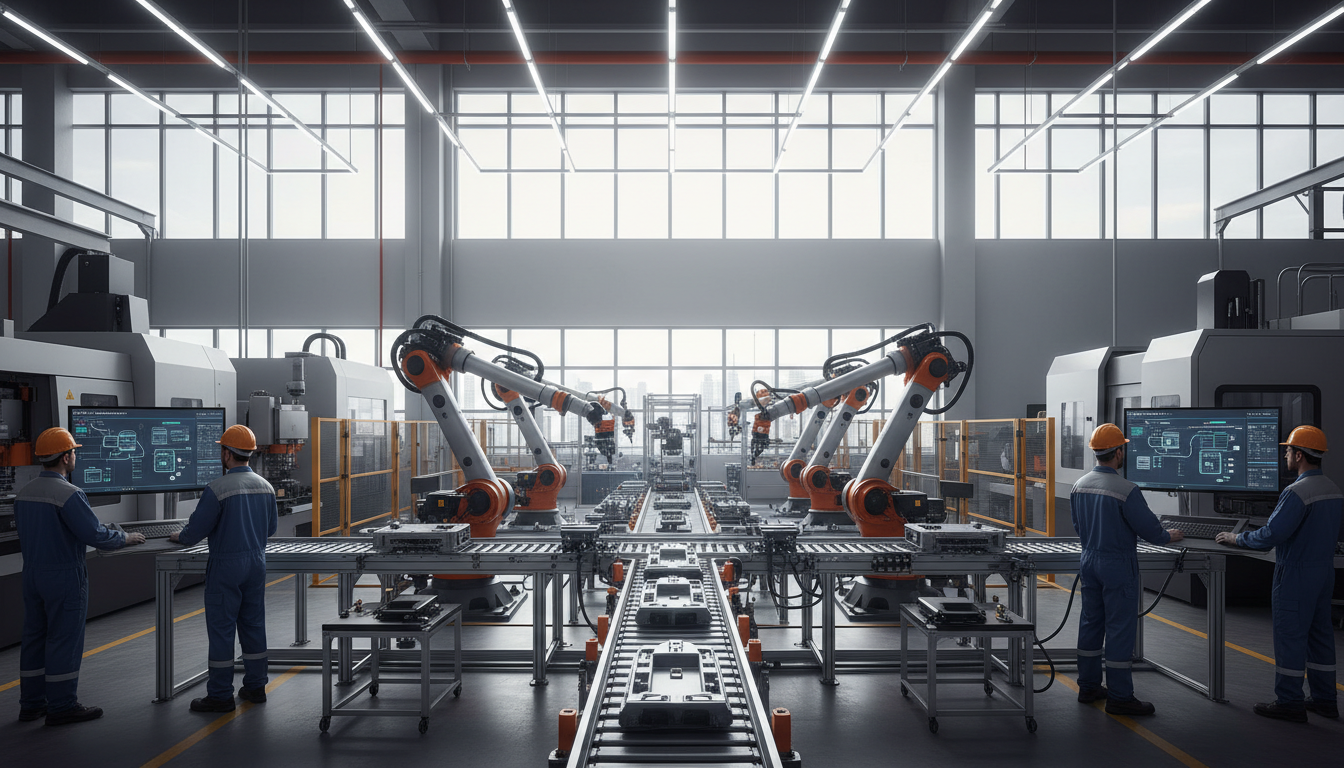
Smart manufacturing also enhances decision-making processes. Access to real-time data provides insights into production efficiency, helping businesses optimize operations and reduce costs. This technological integration is essential for staying competitive in the rapidly evolving market.
Advanced Materials and Techniques
The development of advanced materials is another trend to watch. High-strength alloys and lightweight composites are becoming more prevalent, offering improved performance and durability. These materials are essential for industries such as aerospace and automotive, where strength-to-weight ratio is critical.
Innovative techniques like laser cutting and waterjet cutting are also gaining popularity. These methods provide precise cuts without compromising the integrity of the material, making them ideal for intricate and high-precision applications.

The Role of Sustainability
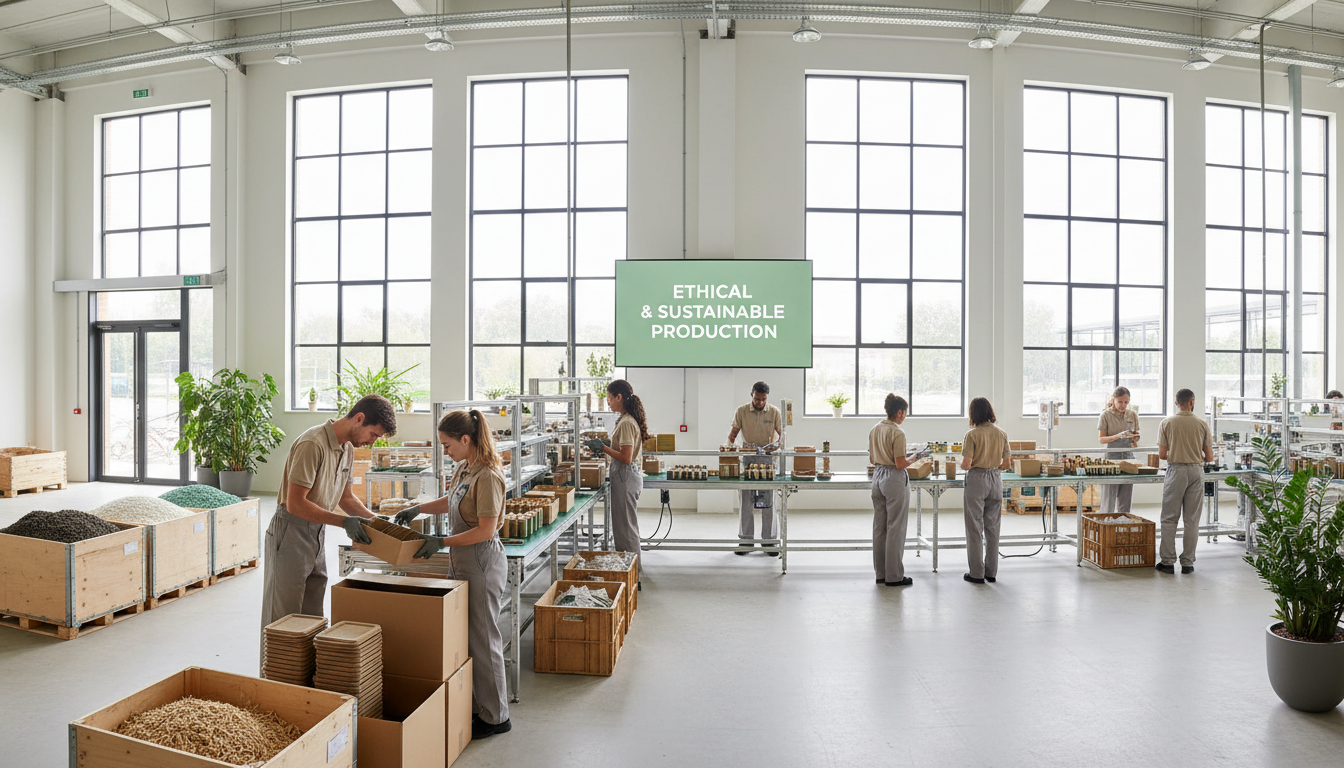
Sustainability is becoming a central focus in metal fabrication. Companies are increasingly adopting eco-friendly practices, such as recycling scrap metal and implementing energy-efficient processes. These efforts not only reduce environmental impact but also appeal to environmentally conscious consumers.
Moreover, the push for sustainability is driving innovation in material sourcing and waste management. The industry is exploring renewable energy sources and sustainable materials to further minimize its carbon footprint.
Conclusion
The future of metal fabrication is bright, with trends and innovations driving the industry towards greater efficiency, precision, and sustainability. By embracing these advancements, businesses can enhance their competitiveness and meet the evolving demands of their customers. Staying informed about these trends is crucial for anyone involved in metal fabrication, as the industry continues to transform and adapt to new challenges and opportunities.