
Seasonal STEM Projects: Engaging Activities for Each School Term


Spring: Exploring Nature with Science
Spring is the perfect time to incorporate the natural world into STEM projects. As flowers bloom and animals emerge from hibernation, students can engage in hands-on learning activities that explore the science behind these changes.
One exciting project is a plant growth experiment. Students can plant seeds in different conditions to observe how variables like light, water, and soil affect growth. This not only teaches scientific principles but also fosters a sense of responsibility as they care for their plants.

Mathematics in Nature
Students can also explore mathematical concepts through nature by studying patterns. Encourage them to identify shapes, symmetry, and sequences in leaves, flowers, and even animals. This helps to develop their analytical skills while appreciating the beauty of the natural world.
Summer: Harnessing the Sun
Summer is an excellent time to delve into solar energy projects. The abundance of sunlight provides a perfect opportunity for students to learn about renewable energy sources and their applications.
One engaging activity is building a simple solar oven. Students can use materials like cardboard, foil, and plastic wrap to create a device that harnesses solar power to cook food. This project demonstrates principles of energy transfer and sustainability.

Engineering Challenges
Students can also participate in engineering challenges, such as designing and building a solar-powered car. This hands-on project encourages teamwork and problem-solving while introducing basic engineering concepts.
Fall: Investigating the Changing Seasons
Fall offers a wealth of opportunities for STEM exploration as students observe the transformation of the environment. This season is ideal for projects that focus on weather and climate science.
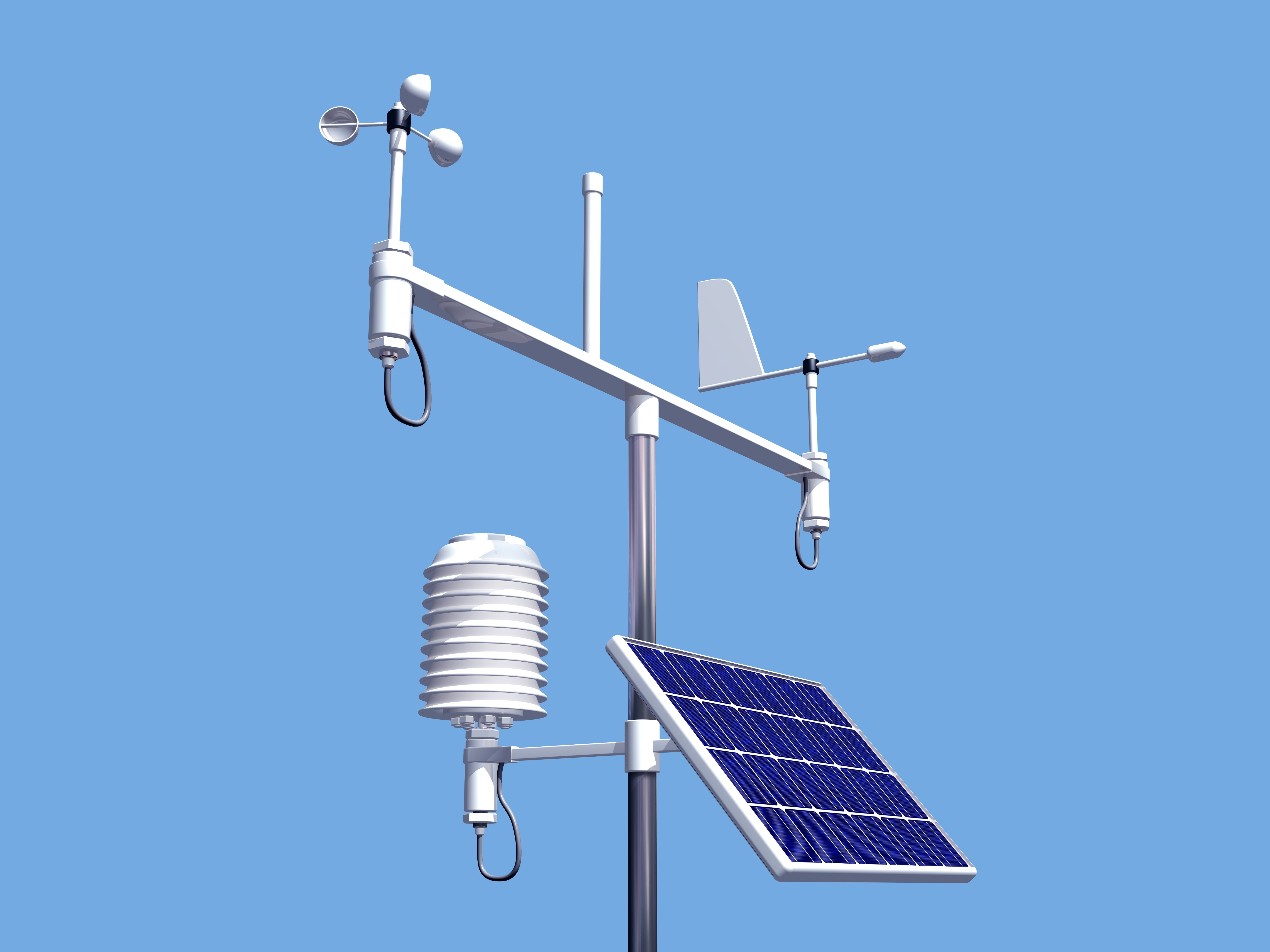
Students can create a weather station to monitor and record data such as temperature, wind speed, and precipitation. This activity helps them understand the principles of meteorology and the importance of data collection.
Chemistry in the Kitchen
Autumn is also a great time to explore chemistry through cooking projects. Students can investigate chemical reactions by baking bread or making candy. These activities make chemistry relatable and fun, highlighting its presence in everyday life.
Winter: Embracing Cold Weather Science
Winter provides unique challenges and opportunities for STEM projects focused on physics and engineering. The cold weather allows for experiments that are specific to the season.
An intriguing project is creating ice sculptures using different freezing techniques. Students learn about the properties of water and the impact of temperature changes through this artistic and scientific endeavor.

Technology and Coding
Winter is also a great time to focus on technology and coding. Encourage students to develop simple coding projects, such as creating a weather app or programming a small robot to complete tasks. These activities build computational thinking and problem-solving skills.