Laser Engraving vs. UV Laser Engraving: Which Is Right for Your Business?


Understanding Laser Engraving
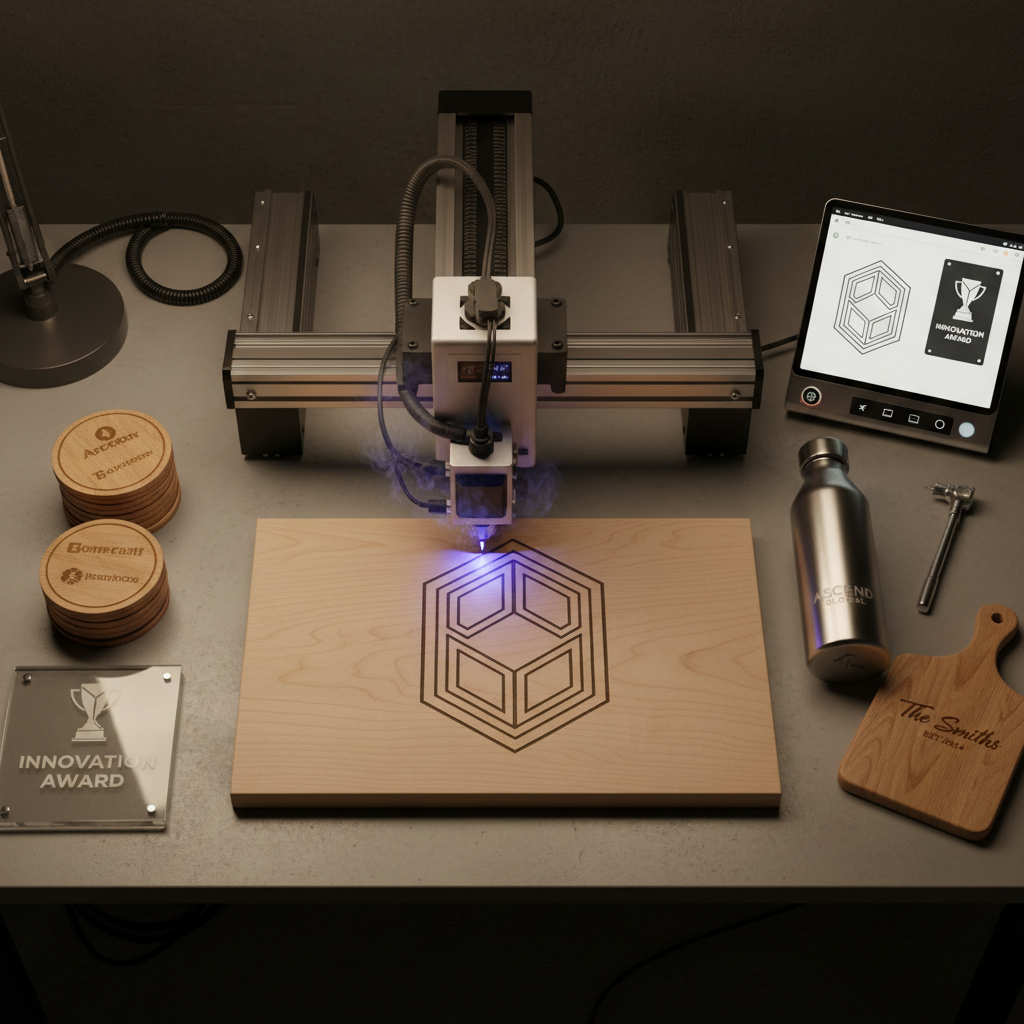
Laser engraving is a popular method used to etch designs, logos, or text onto various materials. It employs a high-powered laser beam to cut or engrave surfaces, providing a precise and permanent mark. This technique is versatile, suitable for use on materials like wood, metal, glass, and plastics.
The benefits of laser engraving include its accuracy and speed. Businesses often choose this method for its ability to produce intricate designs quickly without the need for physical tools. Additionally, laser engraving is cost-effective over time, as it minimizes material waste.
Exploring UV Laser Engraving
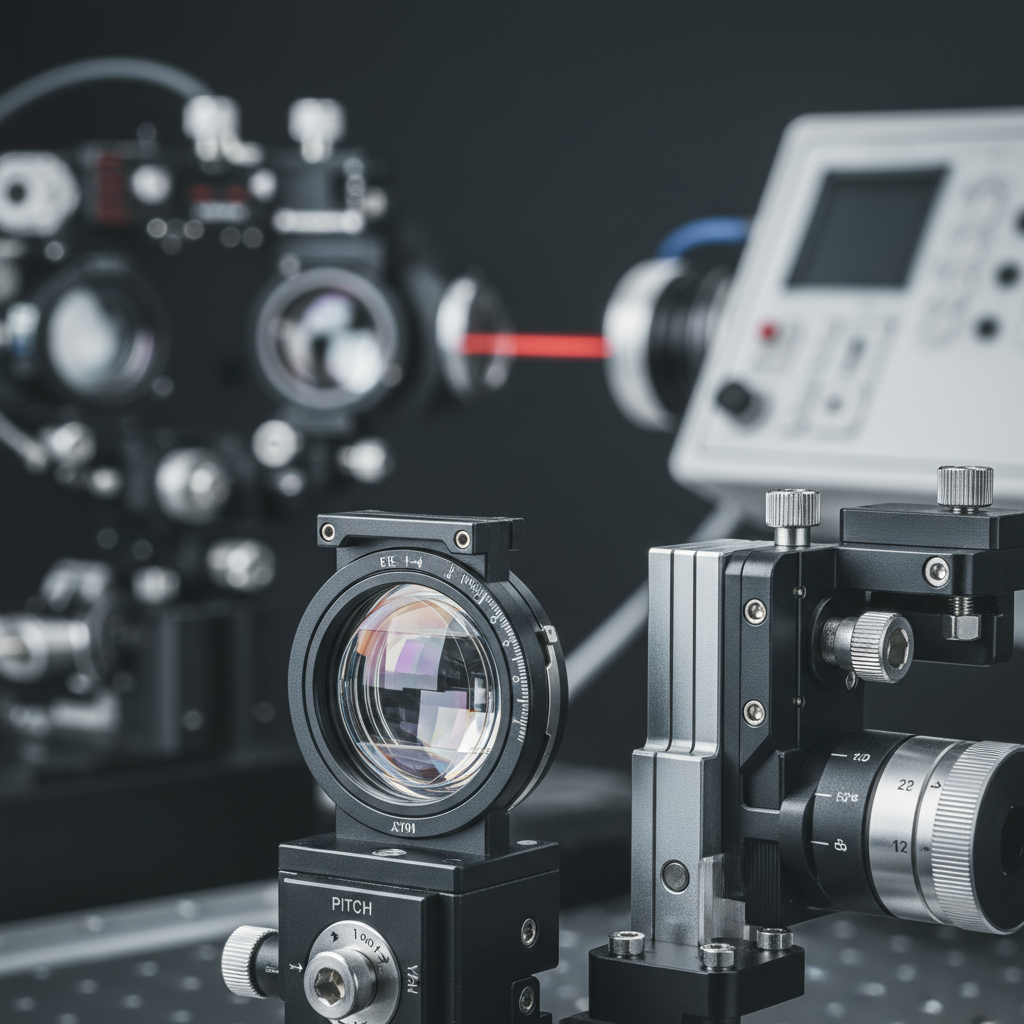
UV laser engraving, on the other hand, utilizes ultraviolet light to engrave materials. This method is particularly effective on delicate surfaces, as it uses a lower thermal process that reduces the risk of damage. UV lasers are ideal for marking glass, ceramics, and certain plastics with high precision.
One of the key advantages of UV laser engraving is its ability to produce high-contrast marks without causing thermal stress. This makes it suitable for applications requiring a high level of detail and clarity, such as in the electronics and medical industries.
Comparing the Two Techniques
When deciding between laser engraving and UV laser engraving, it's important to consider the specific needs of your business. Here are some factors to keep in mind:
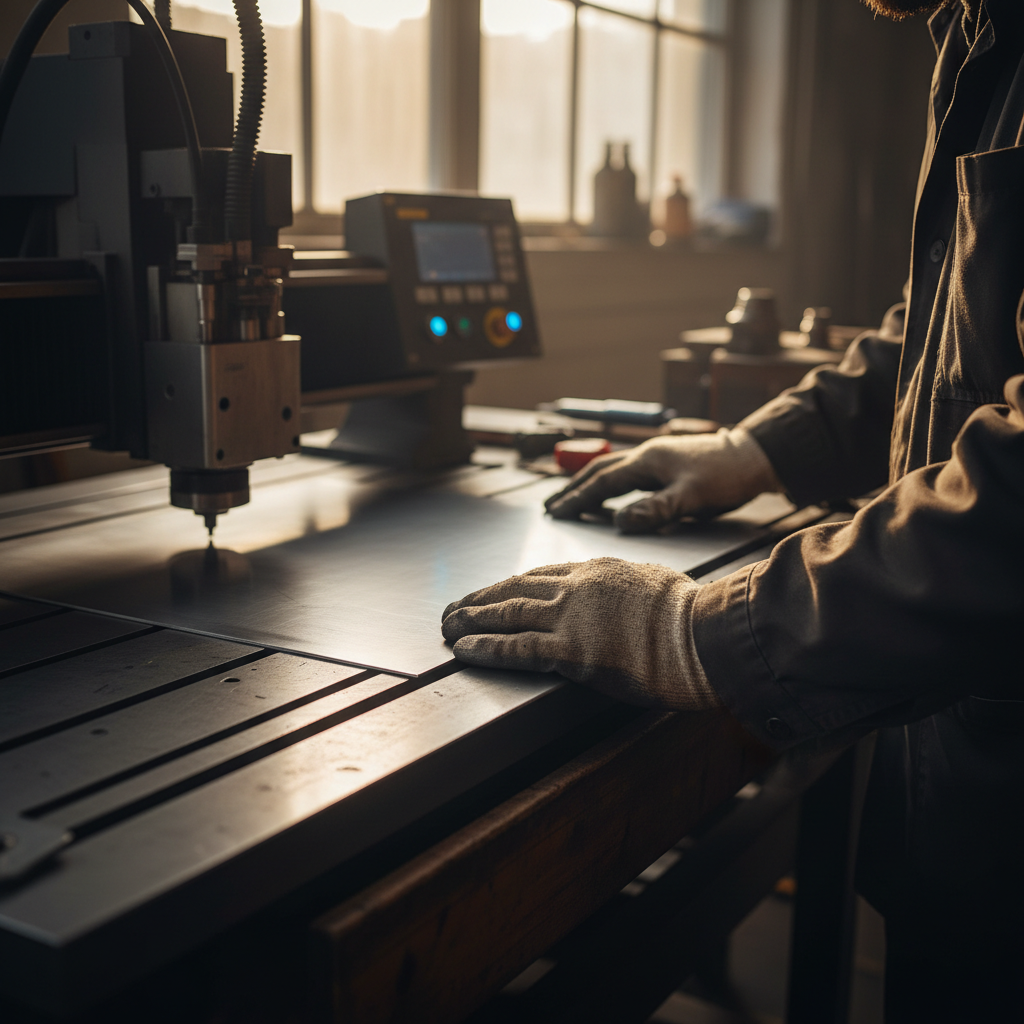
- Material Type: For tougher materials like metal and wood, traditional laser engraving is preferred. UV lasers are better suited for more fragile materials.
- Detail and Precision: If your project requires intricate detail, UV laser engraving offers superior precision.
- Cost: While both methods are cost-effective, the initial investment in UV laser equipment might be higher due to its advanced technology.
Applications and Industries
Laser engraving is widely used across various industries, including automotive, aerospace, and manufacturing. Its versatility allows businesses to create custom products and branding materials efficiently.
UV laser engraving is often found in industries where precision is critical. For example, in the medical field, it is used for engraving surgical instruments and devices, ensuring that markings are both permanent and legible.
Making the Right Choice for Your Business
Ultimately, the choice between laser engraving and UV laser engraving depends on your specific business needs. Consider the types of materials you work with, the level of detail required, and your budget constraints. Engaging with a professional engraving service can also provide valuable insights and recommendations tailored to your industry.
In conclusion, both laser engraving and UV laser engraving offer unique advantages. By evaluating your business requirements and understanding the capabilities of each method, you can make an informed decision that enhances your production process and meets your quality standards.