
How to Set Up a Makerspace in Your Business: Tips for Success


Understanding the Concept of a Makerspace
A makerspace is a collaborative work environment where people can gather to create, invent, and learn. These spaces often contain tools and materials that encourage creativity and innovation. By setting up a makerspace in your business, you can foster a culture of collaboration and creativity that can lead to new ideas and solutions.
Makerspaces are not just for tech companies or educational institutions. Any business can benefit from the creative environment they provide. Whether you run a retail business, a service-oriented company, or anything in between, a makerspace can be a valuable addition.

Choosing the Right Location
The location of your makerspace within your business premises is crucial. Ideally, the space should be easily accessible to all employees but separate enough to avoid disrupting regular business operations. Consider areas that are underutilized or can be easily transformed without major renovations.
Ensure the space is well-lit and has adequate ventilation, especially if you plan to include equipment that might produce dust or fumes. Accessibility to power outlets and internet connectivity is also essential for a functional makerspace.
Equipping Your Makerspace
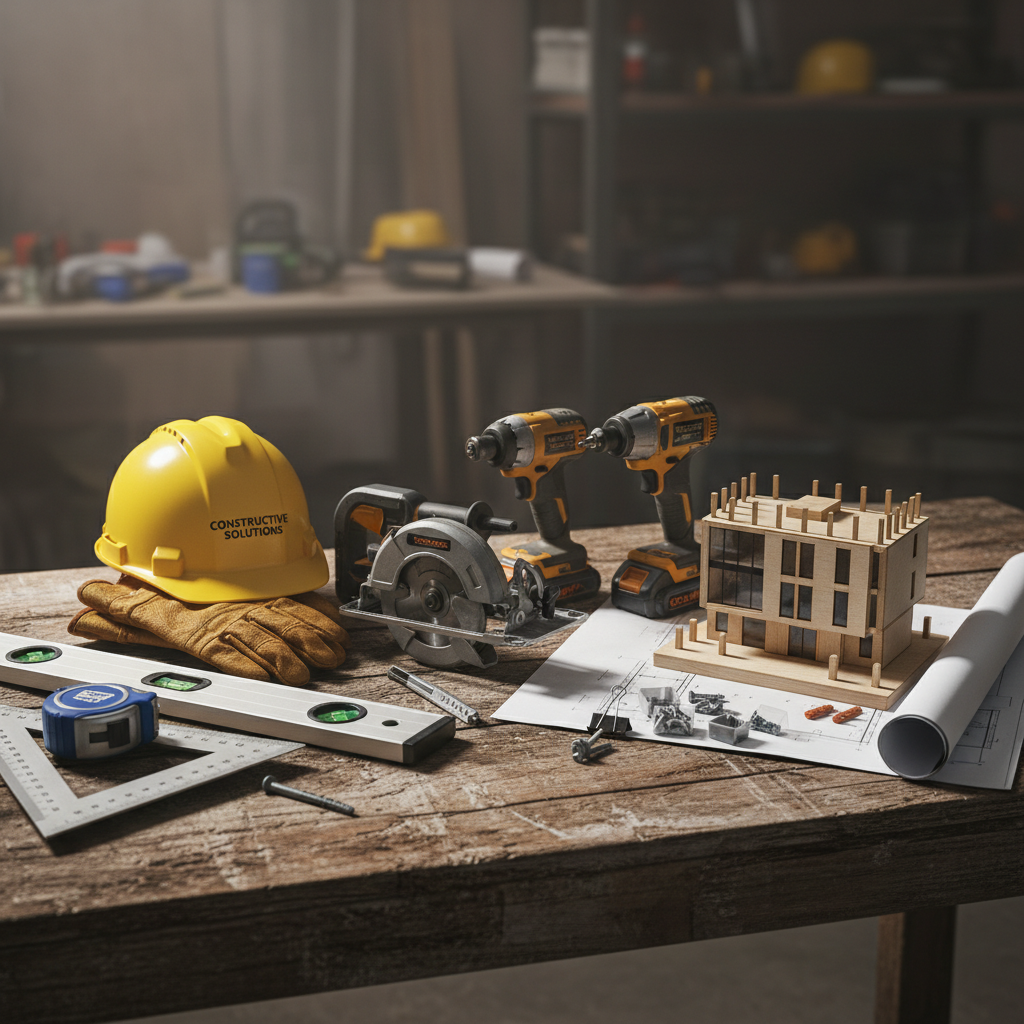
When it comes to equipping your makerspace, consider the needs and interests of your employees. Common tools include 3D printers, laser cutters, sewing machines, and simple hand tools. You might also want to include computers with design software or virtual reality equipment.
Don't forget about the consumable materials such as paper, fabric, wood, or electronic components. Having a variety of materials on hand can inspire creativity and experimentation. Regularly update and maintain equipment to ensure everything is in working order.
Encouraging Participation
Setting up a makerspace is just the first step; encouraging employees to use it is equally important. Host workshops or demonstrations to show how the tools and materials can be used. Consider organizing regular challenges or competitions to stimulate interest and engagement.
Encourage a culture where experimentation and failure are viewed positively. This approach can lead to innovative solutions and help employees feel more comfortable exploring new ideas.
Promoting Collaboration
Makerspaces thrive on collaboration. Encourage employees from different departments to work together on projects. This cross-pollination of ideas can lead to unique solutions and foster a sense of community within the company.
Consider creating a schedule or booking system to ensure everyone gets a chance to use the space. This can help in managing the flow of people and resources, making the makerspace more effective and efficient.

Measuring Success
To understand the impact of your makerspace, set clear goals and regularly evaluate its success. Track metrics such as employee participation, the number of completed projects, or feedback from users. This data can help you make informed decisions about future investments in your makerspace.
Success isn't just about tangible outputs. Consider the intangible benefits such as increased employee satisfaction and the development of a more innovative company culture. By regularly assessing these factors, you can ensure your makerspace remains a valuable asset to your business.