
How to Integrate Metal Cutting Technology into the Classroom Safely


The Importance of Integrating Metal Cutting Technology
In today's rapidly evolving educational landscape, incorporating hands-on technology like metal cutting into classrooms can significantly enhance learning. This practical approach not only engages students but also prepares them for future careers in manufacturing and engineering. However, introducing such technology requires careful planning to ensure a safe and effective learning environment.
Planning for Safety
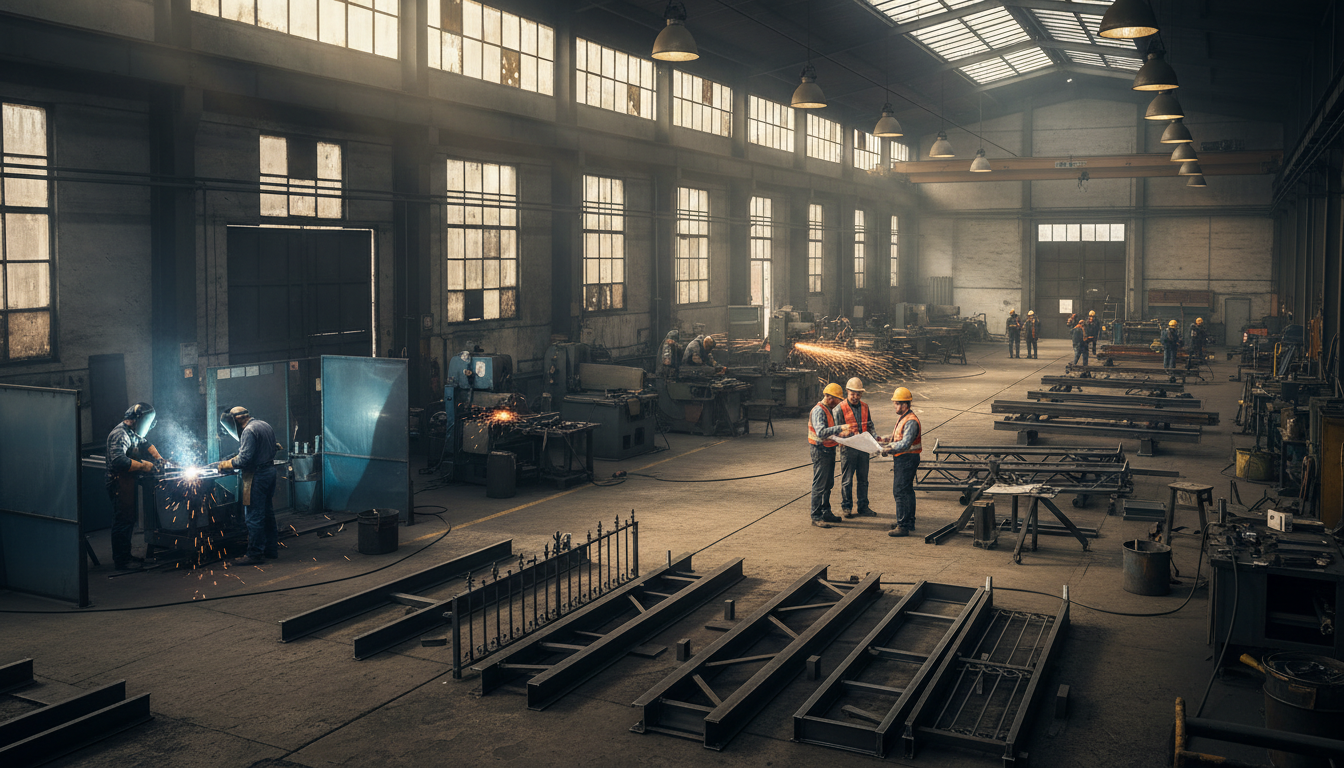
Safety should be the top priority when integrating metal cutting technology into the classroom. Comprehensive planning involves assessing the space, selecting appropriate equipment, and establishing clear safety protocols. Start by evaluating the classroom layout to ensure there's enough space for machines and students to move around safely. Additionally, selecting the right machinery that fits the educational needs and space constraints is crucial.
Choosing the Right Equipment
When selecting equipment, consider both the educational objectives and the skill level of the students. Entry-level machines with user-friendly features are ideal for beginners. These machines often come with built-in safety features, like automatic shut-off systems, which can greatly reduce the risk of accidents. Investing in high-quality, durable equipment will not only enhance the learning experience but also ensure long-term safety and reliability.
Implementing Safety Protocols
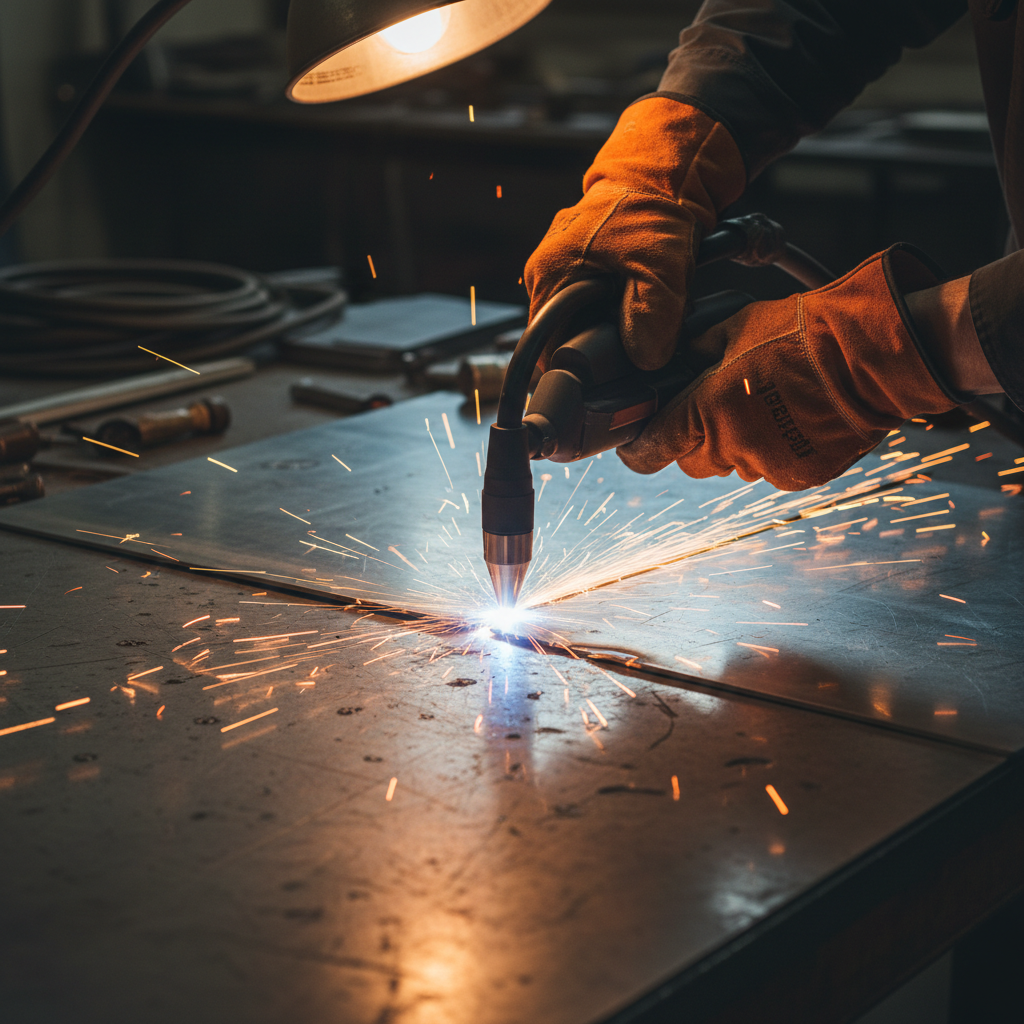
Developing and enforcing strict safety protocols is essential. Begin with comprehensive training sessions for both instructors and students, focusing on the correct operation of machinery and the importance of personal protective equipment (PPE). Establish a mandatory checklist for students to follow before using any equipment. This checklist should include steps like checking for proper machine setup and wearing required PPE such as goggles and gloves.
- Conduct regular safety drills.
- Ensure all students understand emergency procedures.
- Maintain an easily accessible first-aid kit in the classroom.
Creating a Structured Learning Environment
A structured learning environment is vital for integrating metal cutting technology effectively. Develop a curriculum that gradually introduces students to more complex projects as they gain confidence and competence. This approach helps maintain student interest and fosters a deeper understanding of the subject matter. Providing clear objectives and regular feedback will also enhance the educational experience.

Engaging Students with Practical Projects
Hands-on projects are an excellent way to engage students and apply theoretical knowledge in real-world scenarios. Start with simple projects that allow students to become comfortable with the machinery and gradually introduce more complex tasks. Encourage creativity and innovation by allowing students to design their own projects once they have mastered the basics.
Maintaining Equipment
Regular maintenance of metal cutting equipment is essential to ensure its safety and longevity. Establish a routine maintenance schedule and assign responsibility to a staff member or a group of students. This not only prolongs the life of the machines but also teaches students the importance of equipment care and responsibility in a professional setting.
Evaluating and Improving the Program
Finally, continuous evaluation and improvement of the program are key to its success. Gather feedback from students and instructors to identify areas for improvement. Regularly review safety protocols, curriculum effectiveness, and equipment performance to ensure the program remains relevant and effective. By fostering a culture of continuous improvement, educators can keep the classroom environment dynamic and engaging.