How STEAM Education Transforms Career Exploration in Engineering


Introduction to STEAM Education
In recent years, STEAM education—an integrated approach focusing on Science, Technology, Engineering, Arts, and Mathematics—has gained significant traction. This educational model is designed to foster critical thinking, creativity, and problem-solving skills. By incorporating the arts into STEM, students receive a more holistic educational experience that prepares them for diverse career paths, particularly in engineering.
STEAM education provides an opportunity to explore various facets of engineering through hands-on projects and collaborative learning. This approach not only makes learning more engaging but also equips students with skills that are crucial for success in the modern workforce.
The Role of Hands-On Learning
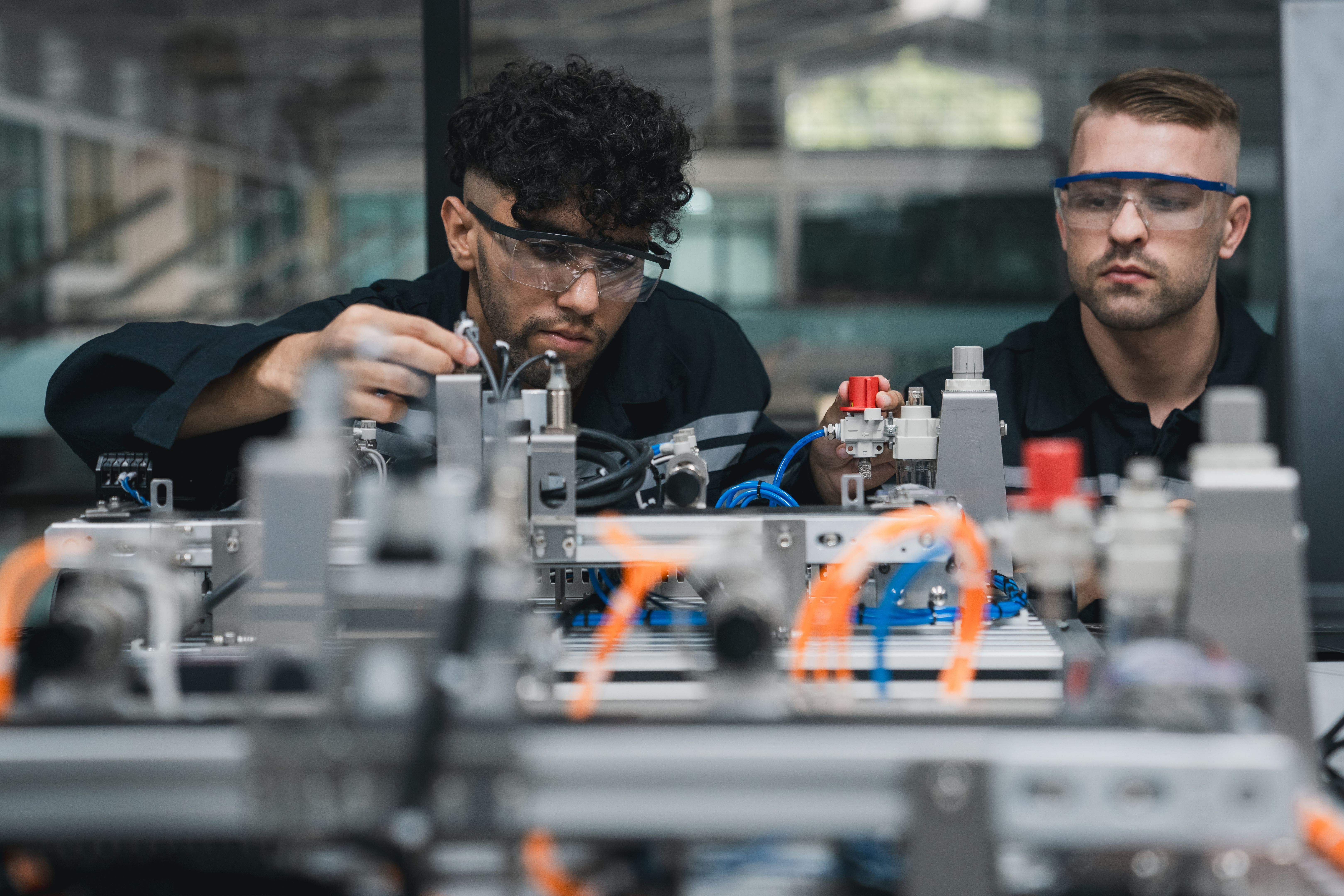
One of the key components of STEAM education is hands-on learning. By engaging in practical projects, students can better understand complex engineering concepts. These projects often involve building models, conducting experiments, and solving real-world problems, which helps solidify theoretical knowledge.
Hands-on learning also encourages teamwork and communication, essential skills in any engineering career. By working in teams, students learn to collaborate effectively and approach problems from multiple perspectives.

Real-World Problem Solving
STEAM education emphasizes solving real-world problems, which is crucial for budding engineers. By tackling issues that impact their communities, students develop a sense of responsibility and purpose. This approach not only enhances their technical skills but also fosters creativity and innovation.
- Designing sustainable energy solutions
- Creating assistive devices for individuals with disabilities
- Developing efficient transportation systems
Incorporating Arts into Engineering
The inclusion of arts in STEAM encourages creativity and innovation, which are vital in engineering. Artistic skills such as design thinking and visual aesthetics are increasingly crucial in developing user-friendly and visually appealing products.
Artistic disciplines also promote out-of-the-box thinking, enabling students to approach engineering challenges in novel ways. This fusion of arts and engineering not only enriches the learning experience but also broadens career possibilities.

Enhancing Career Readiness
STEAM education enhances career readiness by providing students with a diverse skill set. By learning how to integrate different disciplines, students become more adaptable and versatile, qualities that are highly valued in the engineering field.
Moreover, exposure to various engineering fields through STEAM projects helps students identify their interests and strengths, guiding them toward their ideal career path. This exploration is critical in a world where the demand for skilled engineers is ever-growing.

Conclusion
In conclusion, STEAM education is transforming how students explore careers in engineering. By combining science, technology, engineering, arts, and mathematics, this approach equips students with the skills necessary to thrive in a dynamic and evolving industry. As the world continues to change, STEAM education will play a pivotal role in shaping the engineers of tomorrow.