Comparing Laser Engraving vs. Traditional Methods: Which is Right for You?


Understanding Laser Engraving
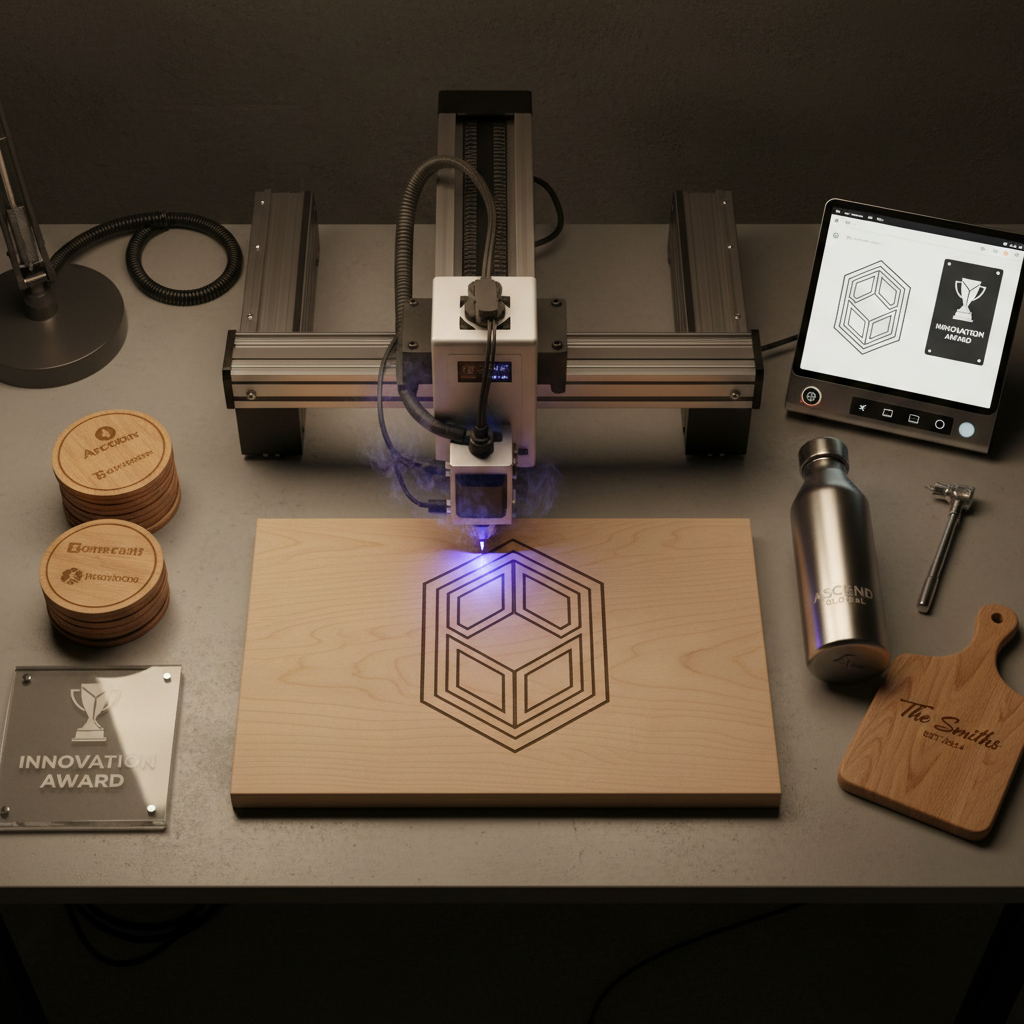
Laser engraving is a modern technique that uses laser beams to etch designs onto various materials. This method is renowned for its precision and versatility, making it suitable for a wide range of applications. From wood and metal to glass and plastic, laser engraving can create intricate designs with remarkable detail.
One of the standout features of laser engraving is its ability to produce consistent results. The computer-controlled laser ensures that each engraving is identical to the last, which is crucial for businesses that require uniformity in their products.
Advantages of Laser Engraving
There are several advantages to using laser engraving over traditional methods. Here are a few key benefits:
- Precision: The laser can achieve incredibly fine detail, making it ideal for detailed designs.
- Speed: Laser engraving is typically faster than traditional methods, especially for complex designs.
- Versatility: It works on a wide range of materials, providing more options for customization.
Exploring Traditional Engraving Methods
Traditional engraving methods have been around for centuries and typically involve the use of hand tools or mechanical devices to carve designs into materials. These methods include techniques such as hand engraving, rotary engraving, and diamond drag engraving.
While traditional methods may lack the speed and precision of laser engraving, they offer a unique aesthetic that is often valued for its artisanal quality. The slight variations and human touch can add character to each piece.
Advantages of Traditional Methods
Despite the rise of modern technology, traditional engraving methods still hold their ground due to several advantages:
- Artisanal Appeal: The handcrafted nature of traditional engraving can create a more personal and unique look.
- Tactile Quality: Traditional methods often result in deeper engravings, adding texture and depth.
- Historical Value: The age-old techniques carry a sense of history and craftsmanship.
Choosing the Right Method for Your Needs
Deciding between laser and traditional engraving depends largely on your specific requirements and preferences. If precision, speed, and versatility are your priorities, laser engraving might be the better choice. It's especially suitable for industrial and commercial applications where consistency and efficiency are crucial.
On the other hand, if you value the unique, handcrafted quality and historical significance, traditional methods might be more appealing. These techniques are perfect for bespoke items, personalized gifts, and projects where the tactile feel and individual character are important.

Conclusion
Both laser and traditional engraving offer distinct advantages and can be used to create beautiful, lasting designs. By understanding the strengths of each method, you can make an informed decision that aligns with your goals and enhances your projects. Whether you choose cutting-edge technology or time-honored craftsmanship, the art of engraving continues to be a powerful means of expression.