
A Comprehensive Guide to Integrating Robotics in STEM Learning


Introduction to Robotics in STEM
Integrating robotics into STEM (Science, Technology, Engineering, and Mathematics) education is transforming the way students engage with these subjects. Robotics offers hands-on learning experiences that stimulate curiosity, enhance problem-solving skills, and foster innovation. With the rapid advancement of technology, it's crucial for educators to incorporate robotics into their curriculum to prepare students for the future.
Robotics in STEM education is more than just programming and mechanics; it encompasses a holistic approach to learning that includes teamwork, creativity, and critical thinking. By engaging with robotics, students can see real-world applications of abstract concepts, making learning both relevant and exciting.
Benefits of Robotics in STEM Education
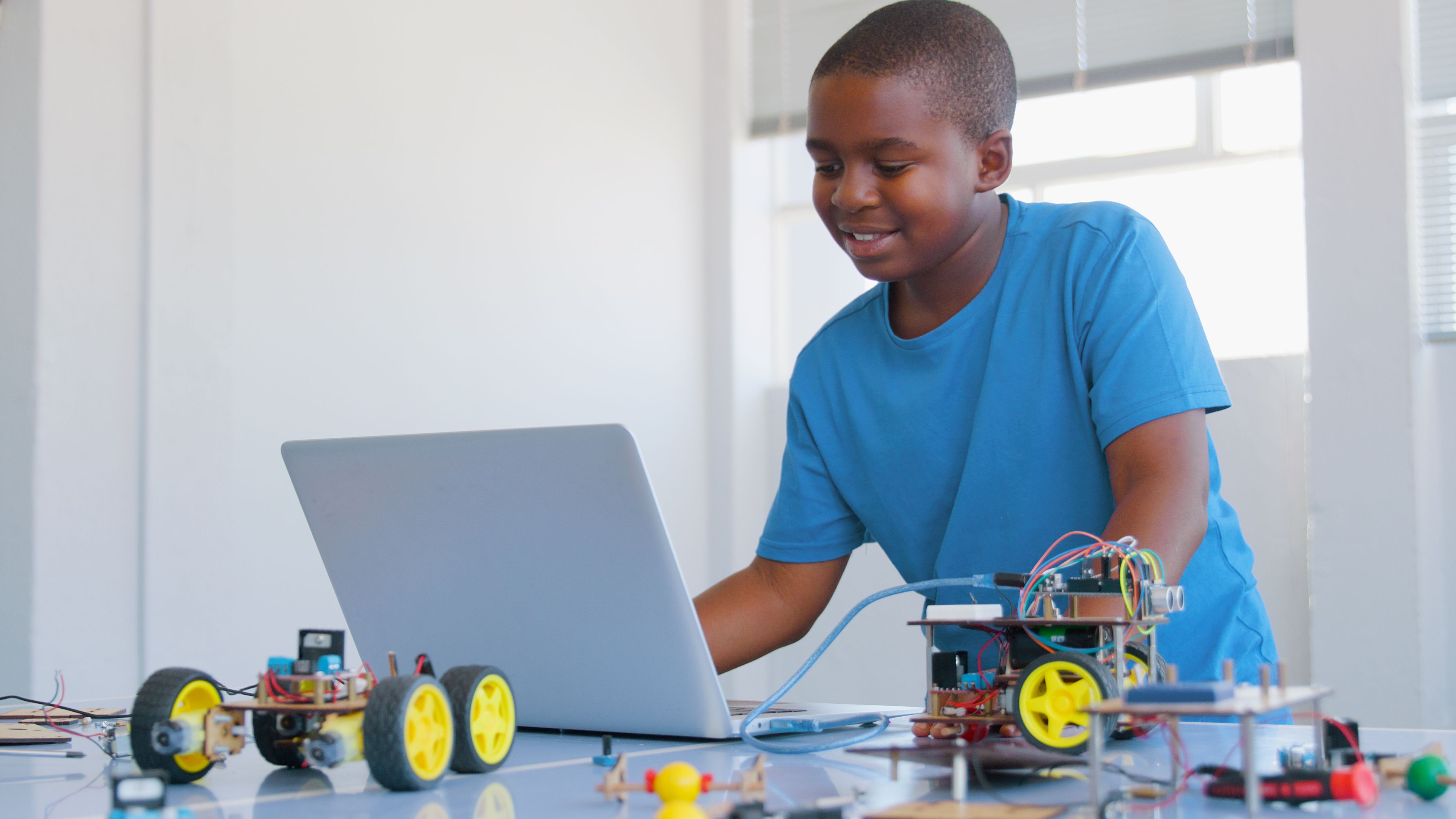
The integration of robotics in STEM education brings numerous benefits. Firstly, it encourages active learning by allowing students to interact with their environment and see the immediate results of their actions. This hands-on experience is invaluable in understanding complex scientific principles.
Secondly, robotics fosters collaborative learning. Students often work in teams to build and program robots, which enhances their communication skills and teaches them how to work effectively with others. This collaborative environment mirrors real-world engineering and technology projects.
Getting Started with Robotics
For educators looking to introduce robotics into their classrooms, the first step is choosing the right platform. There are various robotics kits available, ranging from simple to complex, each designed to cater to different age groups and skill levels. Popular options include LEGO Mindstorms, Arduino, and Raspberry Pi.
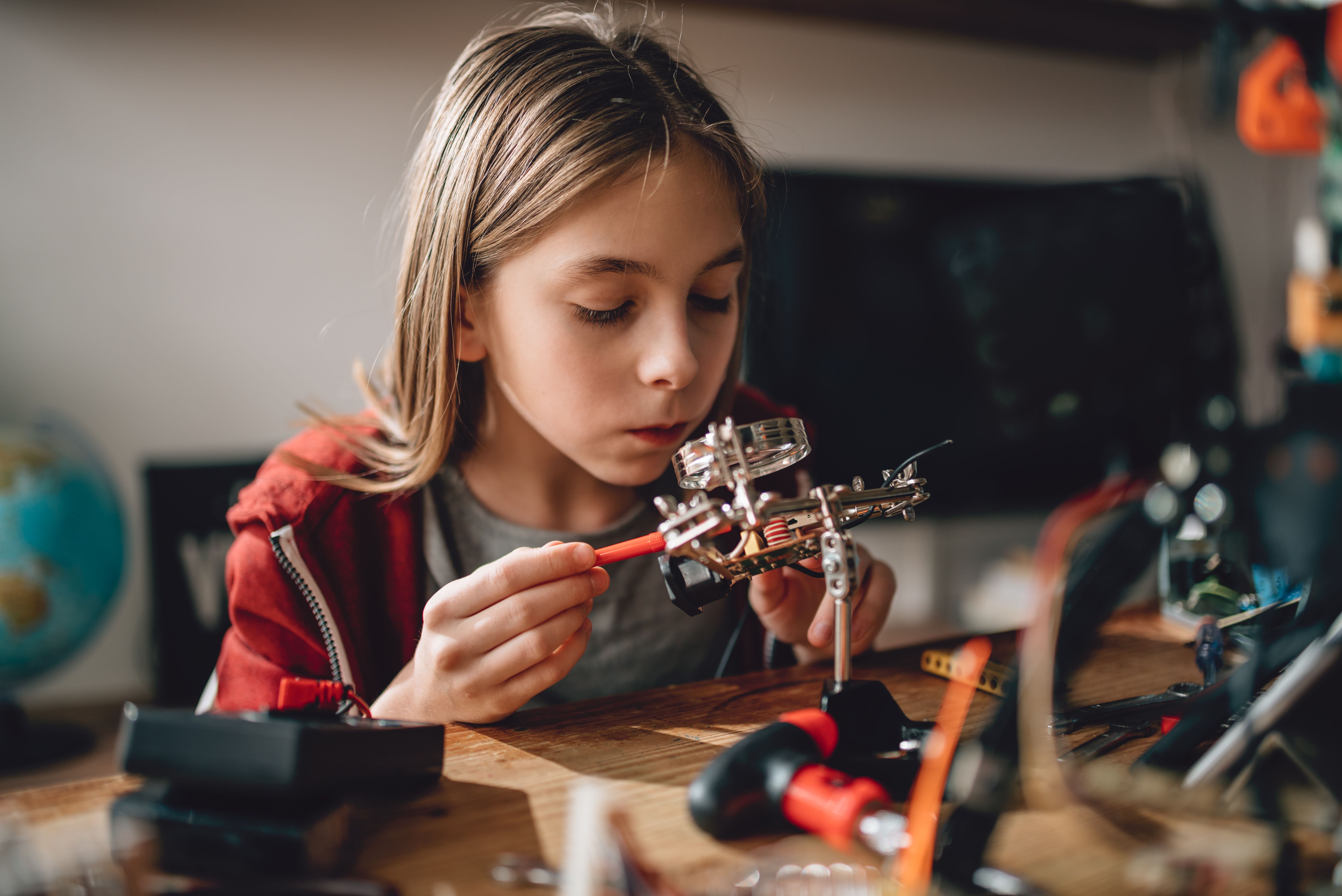
Once the platform is chosen, educators should consider integrating robotics into their existing curriculum. This could involve designing specific projects or challenges that align with current lesson plans, ensuring that robotics complements rather than complicates the learning process.
Designing a Robotics Curriculum
Designing a curriculum that effectively incorporates robotics requires careful planning. Educators should set clear learning objectives, such as understanding basic programming concepts or developing engineering skills. Lessons should be structured to gradually increase in complexity, allowing students to build on their knowledge.
- Start with simple tasks like building a basic robot.
- Introduce programming concepts using block-based coding interfaces.
- Progress to more complex challenges that require problem-solving and creativity.
Challenges and Solutions
While integrating robotics into STEM education is beneficial, it does come with challenges. One of the main obstacles is the cost of equipment and resources. Schools can address this by seeking funding from educational grants or partnerships with tech companies.
Another challenge is the need for teacher training. Educators must be equipped with the necessary skills to teach robotics effectively. Professional development workshops and online courses can be valuable resources in this regard.

The Future of Robotics in STEM
The future of robotics in STEM education is promising. As technology continues to evolve, the potential applications of robotics in the classroom will expand. Emerging fields like artificial intelligence and machine learning will further enrich the learning experience, providing students with cutting-edge knowledge and skills.
In conclusion, integrating robotics into STEM education offers a dynamic and engaging way to prepare students for the technological advancements of tomorrow. By embracing this innovative approach, educators can inspire the next generation of scientists, engineers, and tech leaders.