
3D Printing in Education: A Comprehensive Guide


Introduction to 3D Printing in Education
3D printing is revolutionizing various industries, and education is no exception. Schools and universities are increasingly incorporating this technology into their curricula, providing students with hands-on learning experiences. From engineering to art, 3D printing offers a myriad of applications that enhance creativity and problem-solving skills.
Benefits of 3D Printing in Education
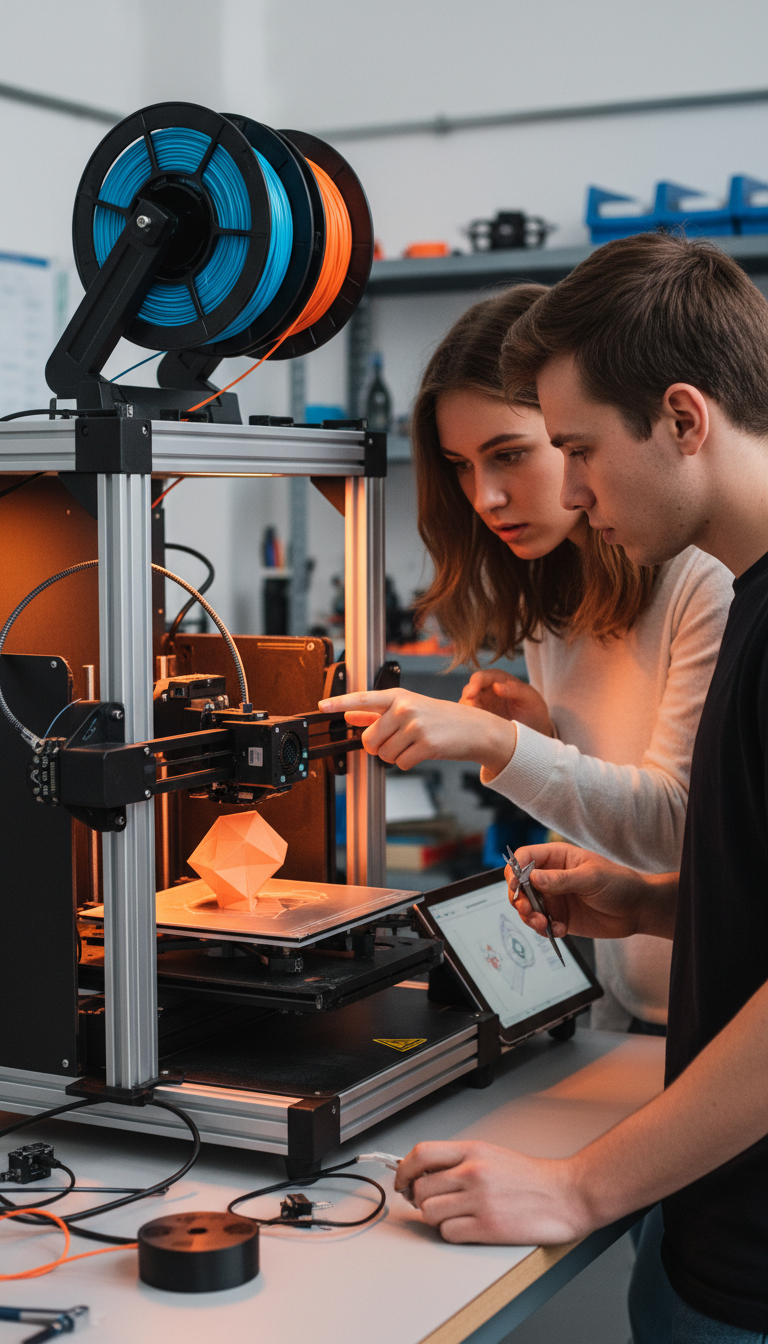
One of the primary benefits of 3D printing in education is its ability to bring abstract concepts to life. Students can transform complex ideas into tangible objects, making learning more engaging and interactive. Additionally, 3D printing nurtures critical thinking and innovation, as students design and iterate their own models.
Another significant advantage is the opportunity for customized learning. Educators can tailor lessons to fit individual student needs, allowing for more personalized instruction. This adaptability can be particularly beneficial for students with special needs, providing them with unique tools to aid their learning.
Applications Across Different Subjects
Science and Engineering
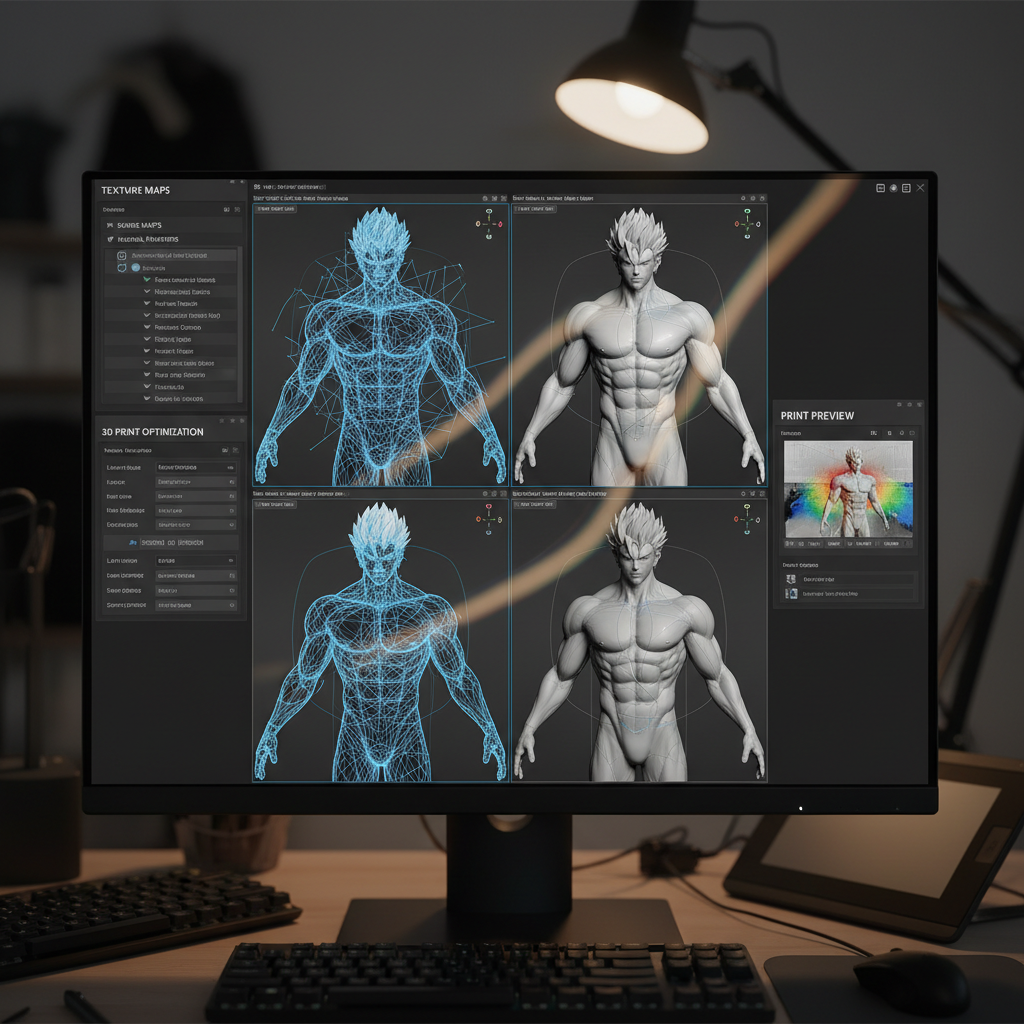
In science and engineering classes, 3D printing can be used to create models of molecules, anatomical structures, and mechanical parts. This hands-on approach helps students understand complex systems and processes, bridging the gap between theory and practice.
Art and Design
For art and design students, 3D printing opens up a world of possibilities. They can experiment with different shapes, textures, and materials, pushing the boundaries of traditional art forms. This technology encourages creativity and allows for the exploration of new artistic techniques.
Implementing 3D Printing in the Classroom
Getting Started
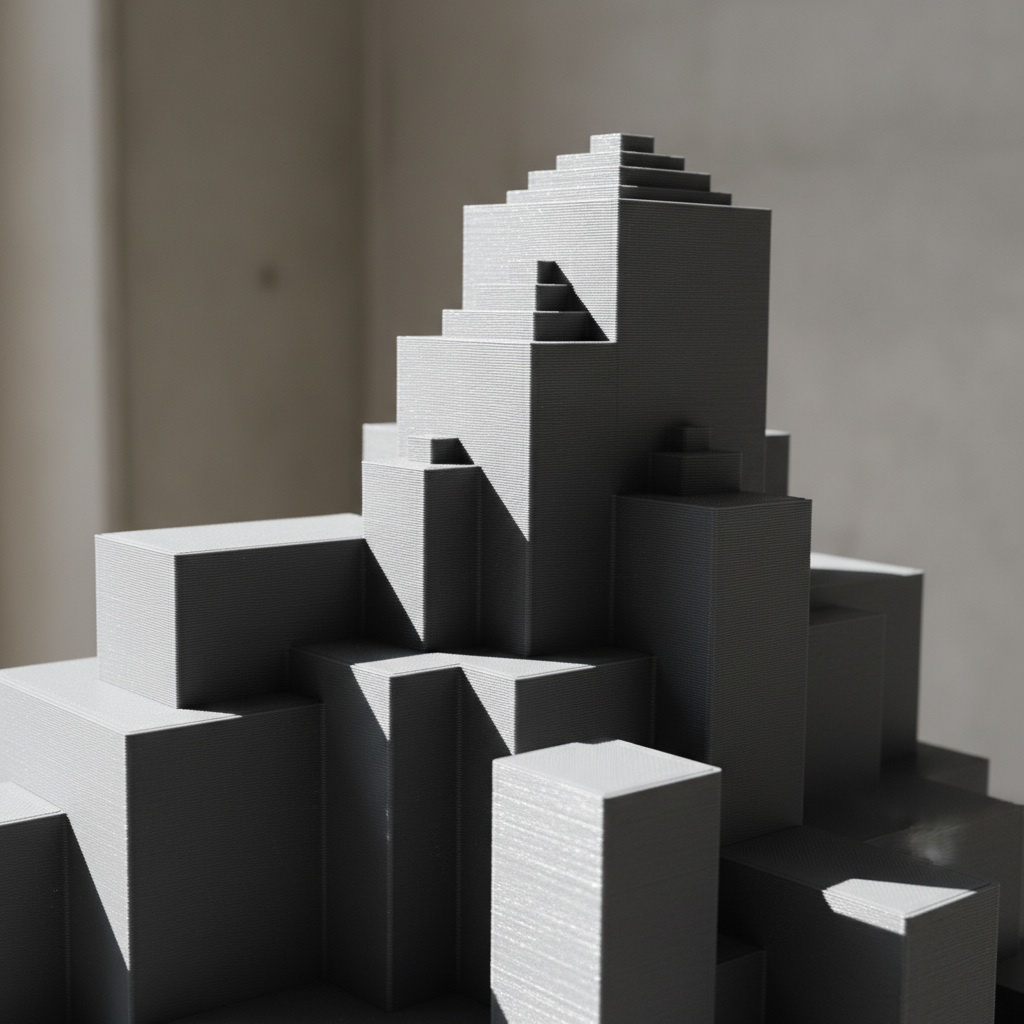
To successfully integrate 3D printing into the classroom, educators should start by selecting the appropriate hardware and software. Entry-level printers and user-friendly design programs are ideal for beginners. Providing students with basic training on these tools is essential to ensure a smooth transition.
Curriculum Integration
Integrating 3D printing into the curriculum requires thoughtful planning. Educators should align projects with learning objectives and consider how this technology can enhance existing lessons. Collaboration with colleagues across different departments can also lead to interdisciplinary projects, enriching the overall educational experience.

Challenges and Considerations
While 3D printing offers numerous educational benefits, there are challenges to consider. Cost is a significant factor, as both the equipment and materials can be expensive. Additionally, educators need to invest time in training and curriculum development to effectively utilize this technology.
Despite these challenges, the potential rewards of 3D printing in education are immense. By fostering innovation and creativity, this technology prepares students for future careers in a rapidly evolving world.